
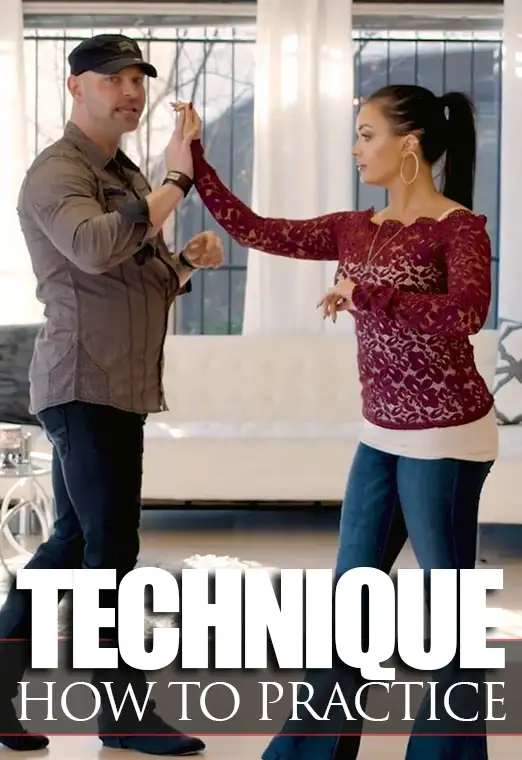
How To Practice
- English (UK)
How to Practice isn’t just a motivational pep talk — it’s a practical guide to actually getting better at dance. In this video, Anthony lays out the real difference between dancers who make progress and dancers who just spin their wheels. Spoiler alert: it’s not about talent — it’s about how you practice. Inside X Dance TV, there’s no shortage of material. You’ve got step-by-step lessons, technique breakdowns, and full patterns to learn. But if you don’t know how to apply that information during your practice time, it won’t stick. This video walks you through best practices for getting the most out of your training sessions, what to focus on, how to structure your practice time, and — maybe most importantly — what not to do. Anthony shares how to avoid just “going through the motions” and explains how to build better muscle memory, faster. Whether you’re practicing alone, with a partner, or in a group class setting, these tips will help you stop wasting time and start seeing results. If you want your dancing to actually improve every time you practice, this is the video you need to watch first.
Stop Getting Dizzy
- English (UK)
In this video, Anthony and Chelsea tackle one of the most common (and frustrating) questions dancers have: “How do I stop getting dizzy when I spin?” Whether you’re brand new to turning or just feel like you’re about to tip over every time your partner twirls you, this lesson is for you. Anthony explains spotting in a simple, no-jargon way — including how to practice it at home and the biggest mistakes most dancers make when trying to spot. You’ll also learn why spotting on your partner isn’t ideal, how your posture affects dizziness, and why your head position plays a huge role in your balance. But most importantly, this video keeps it real: getting less dizzy doesn’t happen overnight. Just like lifting heavier at the gym, your body has to build that tolerance over time. You can train it, and Two Step (with its constant direction changes) is actually one of the best dances to help you do it. If turning makes your head spin — literally — this lesson offers honest advice, helpful techniques, and a little humor to help you dance longer without the room spinning on you.
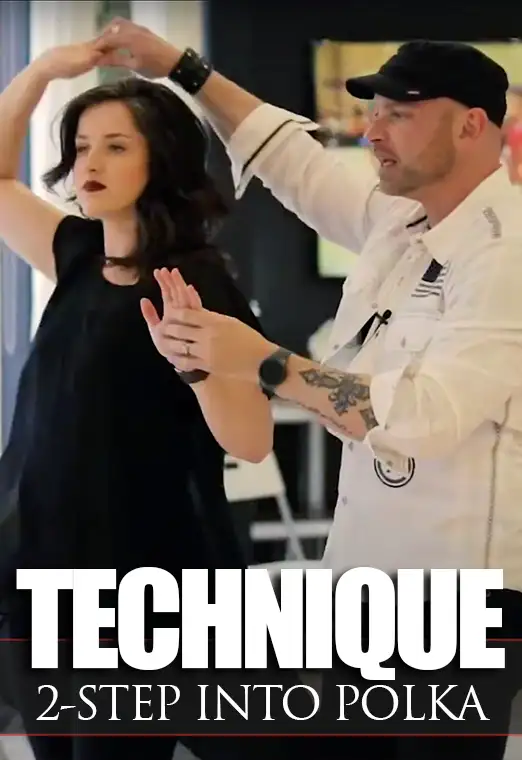
Convert Two Step Into Polka
- English (UK)
In this video, Anthony and Chelsea show you how ridiculously easy it is to turn your Two Step into Polka — no need to learn a bunch of new moves or start from scratch. If you already know how to Two Step, you’ve basically got a Polka toolbox just waiting to be unlocked. We start by dancing a few common Two Step patterns, then show you how they look with a Polka rhythm. Spoiler alert: the structure is exactly the same — the only real change is the rhythm. You’ll learn the translation formula that turns a six-count Two Step (quick, quick, slow, slow) into a 4-count Polka (quick, quick, slow, triple step). That one tip alone opens the door to tons of patterns you already know — like sweetheart, inside turns, and more — and lets you dance them to a whole new style of music. By the end of this video, you’ll see how Two Step and Polka are basically two languages that share the same alphabet. You don’t need a new dictionary — just a good translator. If you’ve been wanting to double your dance skills with half the effort, this is your shortcut.
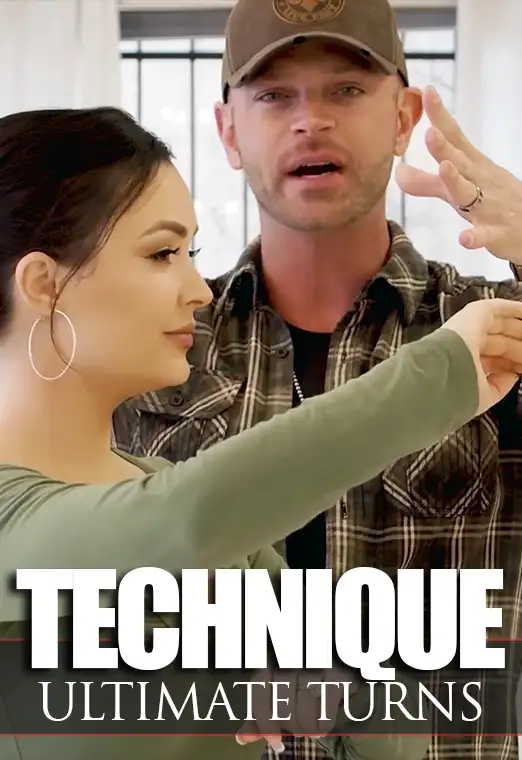
Turns: The Ultimate Guide
- English (UK)
If you’re gonna Two Step, you’re gonna turn. A lot. In this video, Anthony and Rose break down everything you need to know about turning in Two Step — not just the how, but the why, when, and which kind. This isn’t just a “do this one move” kind of lesson — it’s a full-on masterclass packed with 12 of their best turning tips, taught in the same straightforward, real-world style you’d expect from them live on tour. They’ll walk you through the different types of turns (pivot, chaine, spiral), how to prep properly, when to lead the turn (and when not to), how connection works mid-turn, and even how to avoid that dreaded off-balance feeling. You’ll also get advice on spotting, communication, and partnership — because this is a partner dance, after all. Expect practical coaching, a few laughs, and honest talk about the stuff most people get wrong. Whether you’re brand new or just tired of wobbling, this is the video that’ll level up your Two Step turns. And yes… you’ll need to practice. A lot. But it’ll totally be worth it.

Top 5 Tips (Country Swing)
- English (UK)
This one’s a little different — and a whole lot of fun. In this episode, Anthony and Rose team up with some of the top country swing dancers from all over the U.S. to help fix the most common mistakes we all see on the dance floor. Whether you’re brand new to country swing or you’ve been throwing folks around for years, there’s something in here that’ll level up your dancing. From Red Dirt Dancing in Texas to the Country Nomads in Arizona, to Country Kickup in Colorado and more — each team brings their own real-world experience and drops practical tips that actually make a difference. We’re talking about smoother dips, how not to yank your partner, timing and rhythm, understanding the difference between a hair flip and a neck dip, and why dancing to music (not just while music is playing) is a game-changer. It’s like getting a masterclass in country swing from all your favorite dancers at once. These are the things that make social dancing feel amazing — and help you become the kind of partner everyone wants to dance with. Let’s fix it together.
How To Dance ... With Bad Dancers
- English (UK)
Let’s be honest—sometimes the stuff you practice just doesn’t work when you hit the dance floor. You’ve learned the steps, you’ve drilled the technique, and then you dance with someone… and it’s a train wreck. Sound familiar? In this video, Anthony and Rose tackle one of the most common (and frustrating) real-world challenges: how to still dance well when your partner doesn’t. This isn’t about judging—it’s about surviving the social dance floor and still having a great time. Anthony and Rose break down the five most common issues dancers run into when dancing with someone less experienced: miscommunication on turns, partners who are too rough, backleading followers, people dancing off time, and the big one… bad alignment. You’ll get simple, practical ways to adjust without making your partner feel bad—or getting injured. From small connection tricks to mindset shifts, this episode is full of advice that’s as helpful as it is hilarious. If you’ve ever left the dance floor wondering, “Was it me?”—this one’s for you. Because dancing socially isn’t just about being technically great… it’s about adapting, staying safe, and having fun no matter who you’re dancing with.
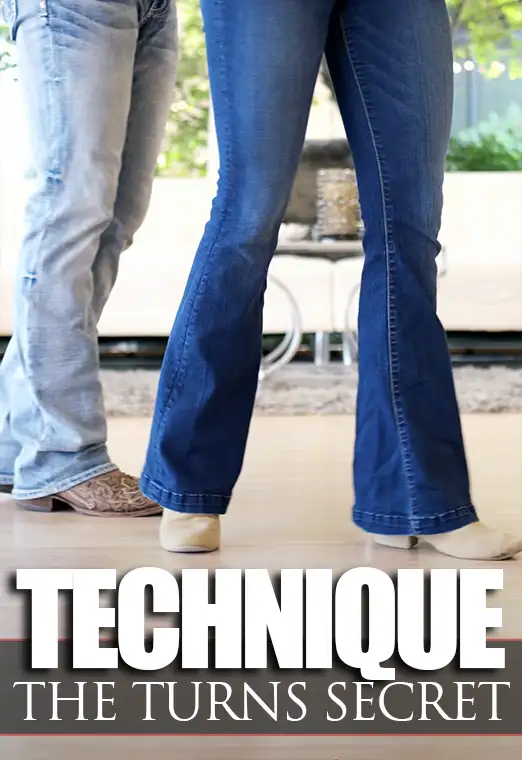
The Secret To Turns
- English (UK)
In this lesson, Anthony and Rose reveal a small but game-changing tip that makes turns easier to lead and easier to follow — no matter the dance style. Whether you're dancing Two Step, West Coast Swing, or Polka, there's one crucial detail that affects every turn: which foot the follower is on when the turn begins. Through clear demos and real-world examples, they show how being on the correct foot at the correct time determines whether a turn works or falls apart. When the follower is moving forward, a left turn requires being on the left foot, and a right turn requires being on the right. But when traveling backward, those rules flip — and they break down exactly why that is, and how to visualize it so it finally clicks. More importantly, they highlight that great leading isn't about doing the steps perfectly — it's about paying attention to the follower. This lesson brings clarity to the timing and weight placement behind turns, helping both leaders and followers feel more connected and confident on the dance floor. Simple, practical, and immediately useful, this one’s a must-watch.
Stop These 5 Turn Mistakes
- English (UK)
In this lesson, Anthony and Rose break down the five biggest reasons dancers struggle with turns—and more importantly, how to fix them. Whether you're dancing Two Step, West Coast Swing, Country Swing, or anything in between, these tips will clean up your spins, improve your balance, and help you stop wobbling around like a confused tornado. They cover everything from why most dancers lose balance (hint: it’s usually how you start the turn, not how you finish), to spotting technique, proper hand and arm connection, prepping for turns at the right time, and the all-important rule: turn off of a foot, not onto it. If that sounds weird now, don’t worry—it’ll make sense once you see it. You’ll also learn how to lead and follow turns with clean connection instead of confusion, and why prepping like a spring-loaded rubber band makes your turns effortless and powerful. Whether you’re a beginner or just tired of hearing "you’re doing it wrong," this class is packed with the real-world stuff dancers actually need to improve quickly. This one’s a game changer for anyone who wants to spin with style (and not get dizzy doing it).
Two Step Turning Drill
- English (UK)
Let’s be real—Two Step has a lot of turning. Whether you’re a leader or follower, you’ll be doing spins and direction changes constantly. But how do you practice that if you don’t have a partner or a dance floor? In this lesson, Anthony and Rose break down one of the most effective practice drills you can do right now, even if all you’ve got is a hallway and a little bit of floor space. The focus? Practicing one-and-a-half turns to the left and to the right—the most common movement in Two Step. You’ll learn how to separate your steps from your rotations, how to maintain balance, and why your feet should always move like scissors (not pliers). They also talk through simple balance drills, how to reduce dizziness, and how to make sure your upper body doesn’t get ahead of your feet. This is a must-practice drill for both followers and leaders. If you’ve ever felt off balance or dizzy in turns, this is the video that fixes it. It’s not about looking fancy—it’s about what works. Do this enough times and you’ll come out of your living room with way better control, timing, and confidence in your spins.
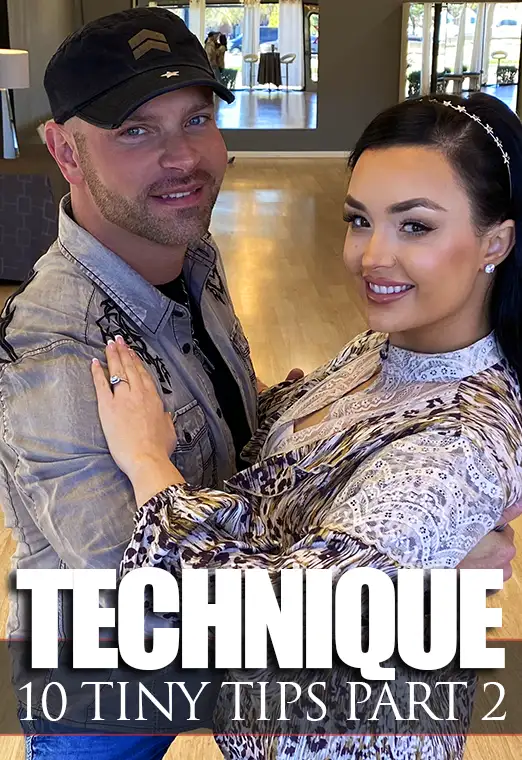
Ten Tiny Tips (pt2)
- English (UK)
This episode picks up where Part 1 left off—zeroing in on the small things in Two Step that make a massive difference. Sure, everyone loves the big flashy moves, but it’s the tiny details that separate “just okay” from “oh dang, that was smooth.” These five tips focus on the stuff no one talks about—but everyone needs to hear. Anthony and Rose break down essential partner connection tips like proper hand placement, leading with your center (not your limbs), how to “talk” through your frame, and why Two Step is way more than memorizing steps. You'll also learn why alignment matters more than footwork and what it really means to “be where you gotta be and do what you gotta do.” Whether you’re new to the dance floor or have been at it for a while, this episode brings clarity to the parts of Two Step that tend to get overlooked—but are crucial for real social dancing. It’s all taught in classic Anthony-and-Rose style: direct, down-to-earth, and packed with real-world dance wisdom. No fluff. Just the stuff that actually makes you better.