
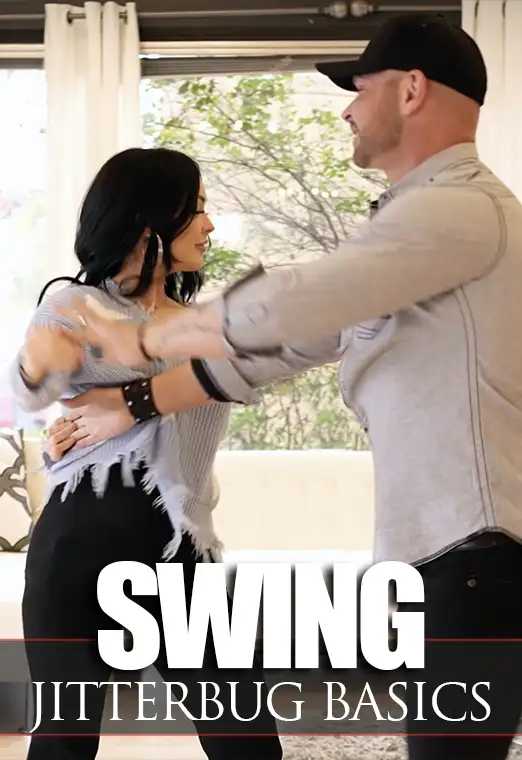
ECS: Swing/Jitterbug Basics
- English (UK)
If you've never danced a day in your life and someone just invited you to a wedding or party, this is the video you need. Anthony and Rose break down one of the most useful and beginner-friendly partner dances out there: swing dancing. Specifically, this is the “single-time” version of swing — the one you’ve probably seen a hundred times and didn’t even realize it. This lesson walks you through the rhythm (slow, slow, quick, quick), the basic footwork, and how to dance it comfortably with a partner. You’ll learn how to hold your partner, how to stay balanced, and how to keep things simple while still looking good on the floor. They also explain the difference between rock steps and side steps, how to keep your arms from flying around, and how to make the dance feel natural (even if you feel awkward at first). You’ll finish this video with a solid foundation in swing and the confidence to dance in social settings — no previous experience needed. This is the perfect starting point for absolute beginners, and a great warm-up for learning all the fun turns and variations that come next.
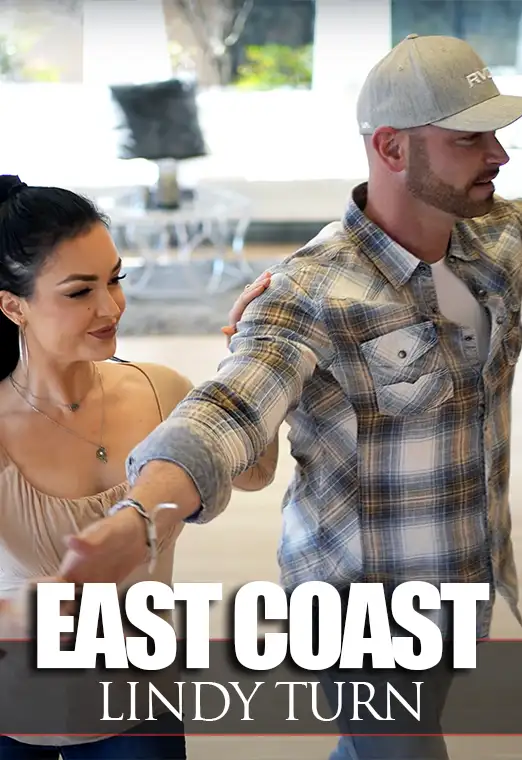
ECS: Lindy Turn and Shoulder Catch
- English (UK)
In this fun and flashy East Coast Swing episode, Anthony and Rose teach an intermediate-level combination that blends classic Lindy rhythm with modern flair. This pattern features a behind-the-back hand change followed by a shoulder spin that looks impressive on the floor but remains totally leadable in real social dancing. Starting with a basic six-count rhythm, the combo transitions into an eight-count Lindy rhythm—showcasing how East Coast Swing shares DNA with its West Coast and Lindy Hop cousins. You'll learn how to cleanly execute the hand change, when and how to safely raise the arm for the spin, and how to create a comfortable shoulder connection for momentum control during the final turn. Anthony also explains the difference between spinning versus turning, emphasizing that social dance turns should always travel—never spin in place. Rose breaks down follower technique for maintaining balance and momentum while progressing through turns. By the end of the lesson, you'll be able to dance this pattern with smooth rhythm and confident styling. This one is great for social dancers who want to spice up their East Coast Swing with some impressive but practical movement that still feels great to lead and follow.
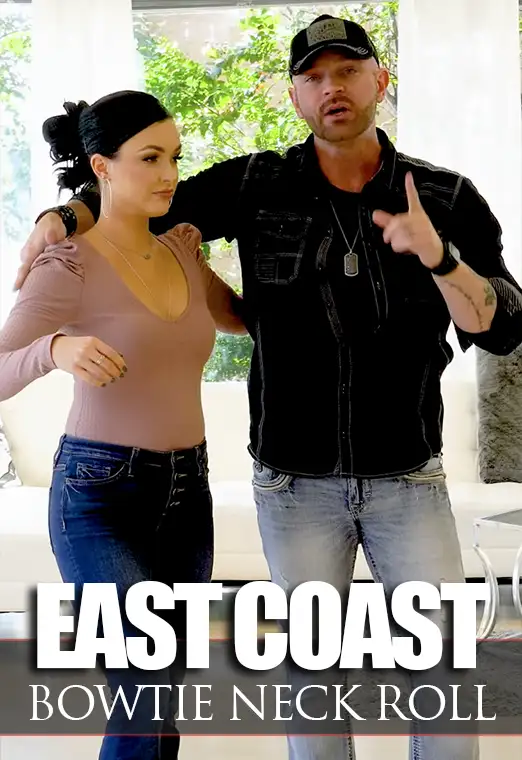
ECS: Bowtie and Neck Roll
- English (UK)
In this lesson, Anthony and Rose break down a super fun East Coast Swing combo that combines two classic moves—the bow tie and the neck roll—into one smooth, stylish pattern. It might look fancy, but don’t let that fool you. At its core, it’s just your basic East Coast Swing steps, layered with smart hand changes and intentional movement. You’ll start with two right turns and finish with a left turn, each one broken down by direction and timing—so you always know when and how the follower should rotate. Leaders, you’ll also learn how to stay connected, create smooth transitions, and position yourself in relation to where your partner is going to be—because that’s your job, not hers. And followers, you’ll get tips for keeping your momentum and staying balanced as you roll through the pattern. This combo is packed with technique tips on prepping, compression, and how to avoid knocking your partner out cold with a stray elbow. It’s got some flash, but more importantly—it just feels good. If you already know your basic turns, this pattern is a great next step to level up your swing.
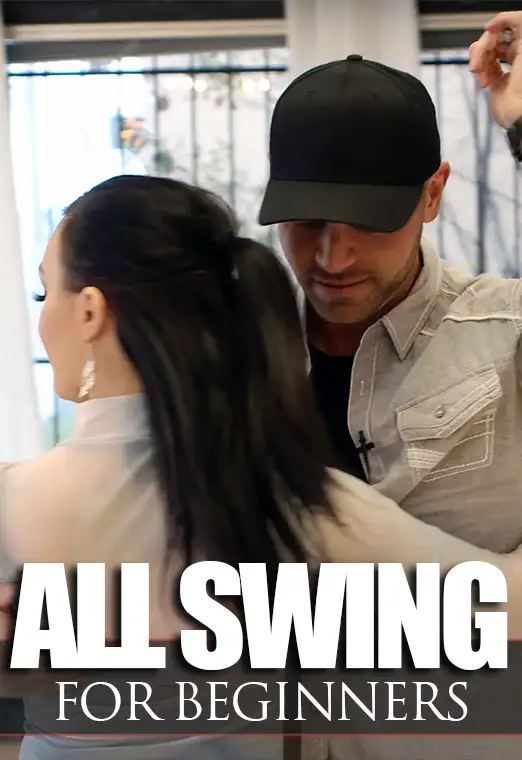
3 Styles Of Swing For Beginners
- English (UK)
In this beginner-friendly lesson, Anthony and Rose break down the three most common swing dance styles you'll see on a country dance floor: East Coast Swing, West Coast Swing, and Country Swing. If you’ve ever been confused about which is which—or wondered which one you're supposed to learn—this is the video that clears it all up. They start by showing the basics of East Coast Swing: that bouncy, upbeat, rotational dance that’s probably what most people picture when they hear the word "swing." Then they shift gears into West Coast Swing, which is smoother, more modern, and danced in a slot (yep, like imaginary train tracks). Finally, they cover the wild card—Country Swing. Super simple and great for beginners, but kind of the freestyle cousin of partner dancing. It’s fun, easy, and confidence-boosting… even if it hasn’t quite figured itself out yet. By the end, you’ll not only know the difference between these styles, but also get a sense of what they feel like and how they’re actually danced on a real floor. It’s the perfect intro if you’ve been curious about swing but didn’t know where to start.
ECS: 7 Basic Steps
- English (UK)
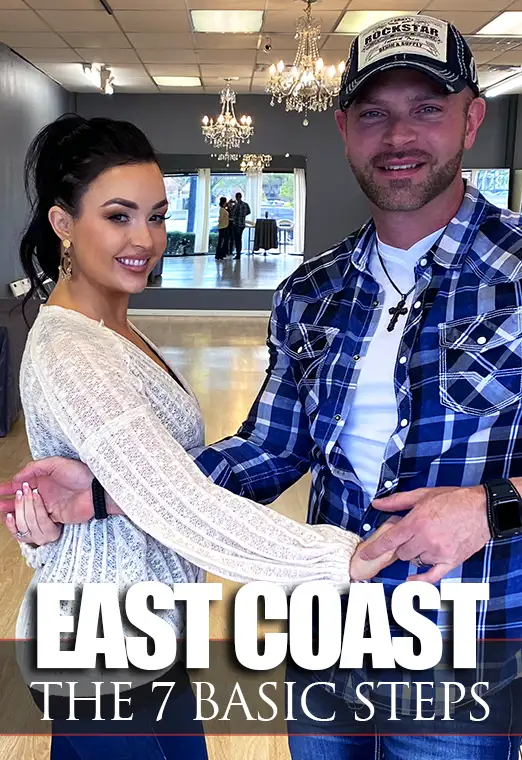
East Coast Swing is one of the most useful social dances out there—whether the band’s playing country, blues, pop, or good old rock’n’roll, this is your go-to groove. In this video, Anthony and Rose walk you through a full East Coast Swing blueprint that covers way more than just the basics. You’ll learn how the entire dance breaks down into three sections (each two beats of music), and why every move you do—turns, wraps, hammerlocks—should start and finish within a single section. This one concept fixes so many common dance problems, especially if you’ve ever struggled with double turns or staying in sync. They cover a complete library of fun moves, including inside and outside turns, alternating underarm turns, the wrap/cradle, hammerlock, and even a “bonus feature” they jokingly call Anthony’s Awesome East Coast Swing Turning Thing. (Yep, that’s the name.) It’s like a full year of swing lessons packed into one easy-to-follow video, with everything demonstrated clearly and explained in plain language. If you’ve danced this before, this will give you a whole new way to look at it. If you haven’t, you’re about to skip a ton of frustration.
ECS: How It REALLY Works
- English (UK)
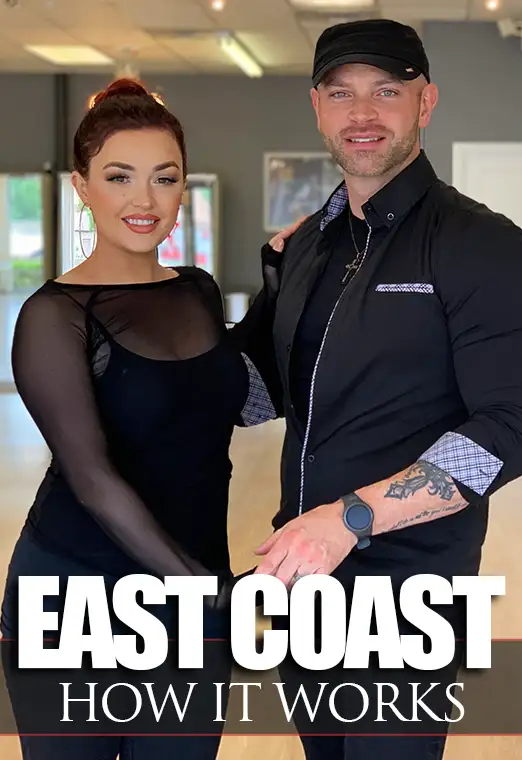
In this lesson, Anthony and Rose break down East Coast Swing in a way that’s simple, logical, and actually makes sense. Whether you’re brand new or you’ve danced it before, this will completely change how you think about the dance. Instead of learning a ton of random patterns, you'll learn the three types of movement that make up 90% of the dance: the basic, a turn to the right, and a turn to the left. Each one fits neatly into a three-part structure—what we call “sections”—so you always know what to expect and when it happens. You'll also learn how to time turns, how prep works, and how to recognize which direction the follower is turning just by feel. They even show how to layer turns together—like a left turn into a right turn—so you can start dancing more creatively, without memorizing step lists. Bonus: once this clicks, you’ll start to see the same structure in other swing dances too. If you’ve struggled with East Coast Swing before, this might be the thing that finally makes it easy.
Are You Doing Swing Wrong?
- English (UK)
This one’s part lesson, part reality check—and super helpful if you’ve ever felt like your swing dancing just isn’t clicking. Anthony and Rose break down the most common habits that trip up dancers and explain why “doing the step right” isn’t always the same as dancing well. They talk about posture, momentum, lead/follow connection, and the big difference between memorizing moves vs. actually feeling the dance. The tone is fun and a little cheeky, but packed with real insight that’ll make you go, “Ahhh, that’s what I’ve been doing wrong.” If you’ve been stuck in your swing dancing or feel like it’s not flowing the way it should, watch this. It’ll save you a ton of frustration.
ECS: Face Loops
- English (UK)
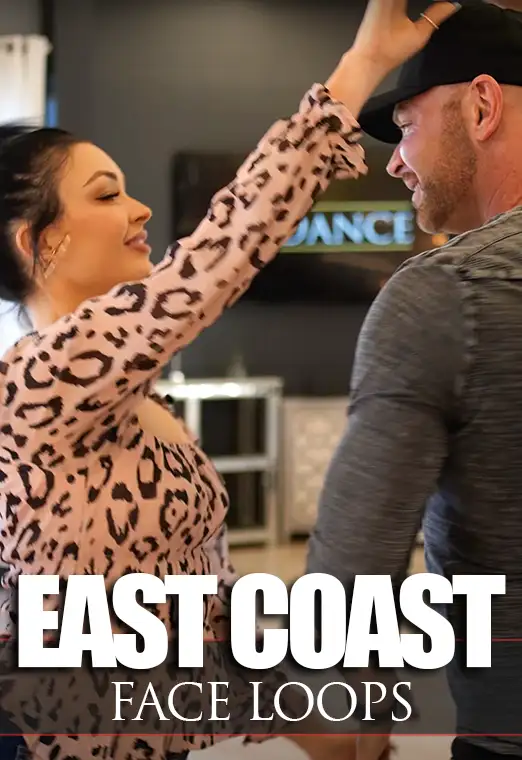
In this intermediate East Coast Swing lesson, Anthony and Rose break down a cool combo that uses a two-hand hold to create a fun sequence of turns and a stylish face loop. It’s a small detail that makes a big visual impact—and it’s not nearly as tricky as it looks. Anthony explains the mechanics of how to lead the hand changes smoothly so the follower feels guided (not tossed around), and Rose demonstrates how to keep your footwork solid and your rotation clean during the loop. There’s a focus on timing and spacing so the move feels effortless in motion. This is the kind of combo that adds polish to your dancing, and it’s super versatile—you can use it in social settings without taking up a ton of space. Great for dancers who want to add a little pop without memorizing long routines.